
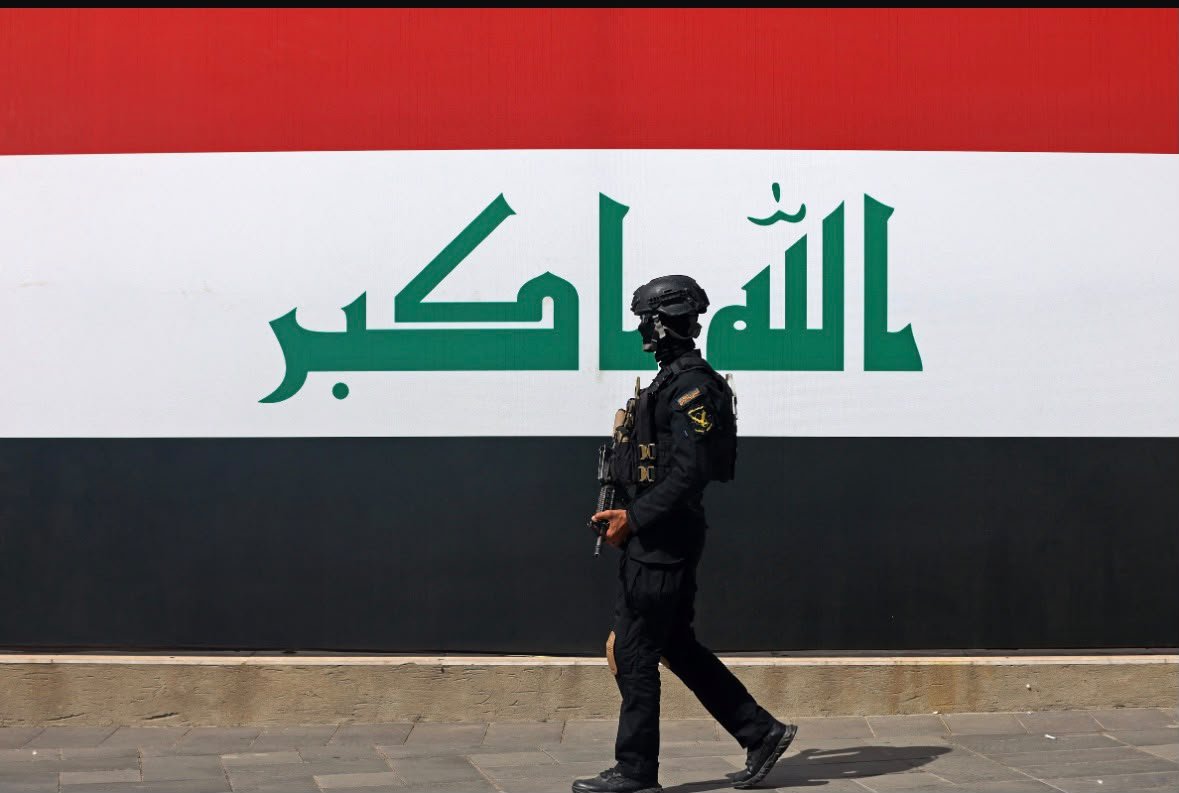
The End of an Era: US Forces Complete Historic Withdrawal from Iraq After 23 Years
BAGHDAD — In a momentous shift for the geopolitics of the Middle East, the United States military has officially completed its withdrawal from Iraq, bringing a definitive end to a permanent military presence that spanned more than 23 years
This final exit fulfills a bilateral agreement finalized between Washington and Baghdad to wind down the US-led coalition’s mission. The final remaining American troops have vacated their last major installations, including the strategic Al-Asad Air Base in western Iraq, meeting the strict September 30, 2026 deadline set by the Iraqi
The American military campaign in Iraq began in March 2003 with a high-profile invasion aimed at toppling dictator Saddam Hussein. Over the two decades that followed, the conflict evolved through multiple turbulent phases: a protracted occupation, a brutal sectarian counterinsurgency, a temporary total withdrawal in 2011, and a re-intervention in 2014 to defeat the rise of the Islamic State (ISIS)
The human toll of the 23-year engagement has been staggering:
* American Fatalities: Approximately 4,500 U.S. service members lost their lives in the theater of conflict.
* Local Impact: Hundreds of thousands of Iraqi civilians perished due to direct war-related violence.
* Financial Expenditure: The United States spent an estimated $1.79 trillion on its military operations across Iraq and neighboring Syria
At its absolute peak in 2007, the U.S. presence topped 170,000 troops. While the mission shifted in its later years from active combat to advising, assisting, and training Iraqi security forces under Operation Inherent Resolve, the permanent footprint remained a highly contentious political issue
US forces exit Iraq after two decades, leaving opening for Iran
Iran stands to benefit strategically from the coalition’s departure because it removes a military presence that for years acted as a counterweight to Tehran’s influence in Iraq,
The pro-Iranian militia groups would not only portray the departure as a victory for their movement, but also “seek to translate that momentum into greater influence over security and political decision-making.
On September 30, we will celebrate the turning of a black page in Iraq’s history and the failure of the occupation to impose its will on our country, iraq has proven that its sovereignty cannot be secured by foreign forces, but by the resistance and the will of its people.
American forces invaded Iraq in 2003 to topple Sunni Muslim dictator Saddam Hussein, and went on to occupy the country, install a Shi’ite-led government and fight a years-long counterinsurgency before withdrawing at the end of 2011.
They returned less than three years later to help Iraqi forces defeat the Sunni militant group Islamic State in a major war from 2014 to 2017.
Around twice as many Americans died in “Operation Iraqi Freedom” as in the parallel war.