
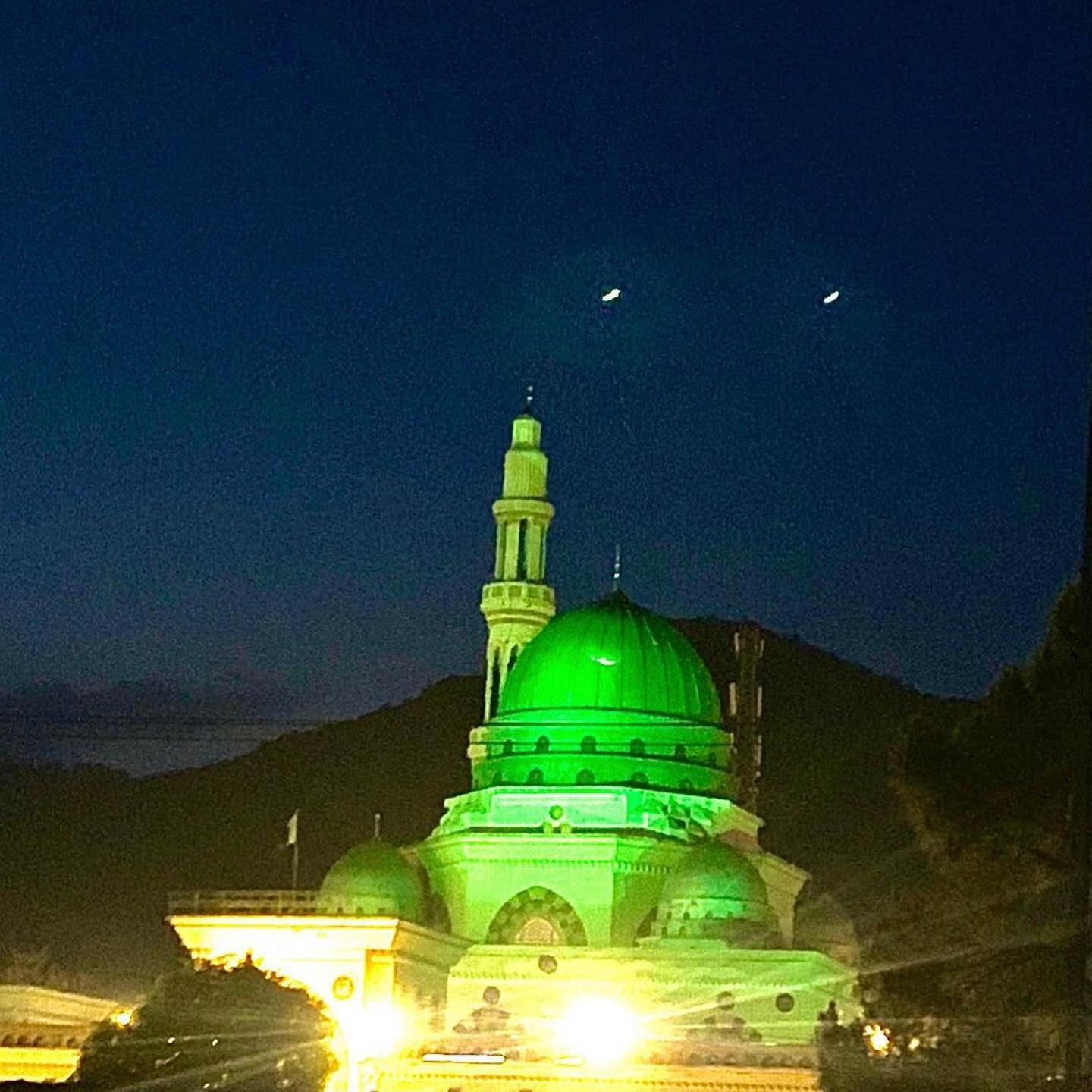
Syed Abdul Latif Kazmi , often referred to as Barī Imām or Barī Sarkār (1617 – 1705CE), was a 17th-century Sufi ascetic from Punjab. Nestled at the foothills of the verdant Margalla Hills, just a stone’s throw from the modern corridors of Pakistan’s capital, lies a sanctuary of peace that predates the city itself. This is Noorpur Shahan, the home and final resting place of Hazrat Syed Abdul Latif Kazmi—the man, the mystic, and the legend. He is venerated as the patron saint of Islamabad, Pakistan, a spiritual guardian whose influence transcends time. His father, Syed Mehmood Shah, shifted his family from Jhelum District to Baghan village, presently called Aabpara later they moved to Nourpur Shahan, which was known as Chorpur before his arrival, became known as Nourpur Shahan after his teachings of love, peace and harmony spread throughout the region. The saint travelled to several countries, He was a great seeker of knowledge, he traveled extensively to places like Iraq (Karbala, Najaf), Iran (Mashhad), and the holy cities of Mecca and Medina to study theology and also spent 40 days in prayer in a cave in the Margalla Hills that is now known as Loay Dandi. Following a period of great personal loss, he adopted the life of an ascetic. For a reported twenty-four years, Bari Imam wandered the forests of the Hazara region, devoting himself to meditation and prayer. Upon his return, he settled in Nurpur and spread the message of Islam & converting many to Islam through his example and teachings. He lived among them, not as a preacher from on high, but as a humble guide.
His teachings were simple, centered on the principles of love, peace, and harmony. He taught love for God through love for His creation, and his gentle demeanor and reputation for spiritual insight drew thousands to his side. Since he did not write down his doctrines, his teachings are primarily transmitted through oral tradition and are celebrated in the Sufi devotional songs (Qawwali) of the region. His mausoleum, the Bari Imam Shrine, is located in Nurpur Shahan, Islamabad, at the foothills of the Margalla Hills, It was initially constructed in the 17th century by the Mughal Emperor Aurangzeb, who was a devoted follower of the Saint and it was renovated during the British Raj. It has since been renovated many times, and is now maintained by the Government of Pakistan. The oversight of the shrine’s maintenance, development, and events is handled by a high-level committee, This committee is typically chaired by a senior government official, such as the Deputy Prime Minister/Foreign Minister (as has been the case recently with Senator Mohammad Ishaq Dar).
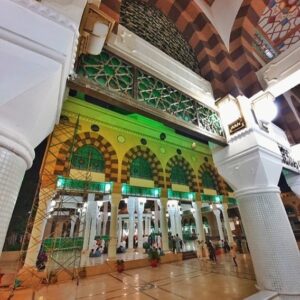
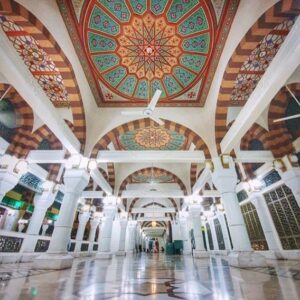
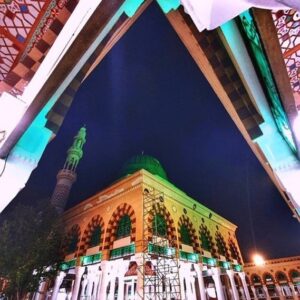
The membership includes other government officials, such as the Minister for Railways, the Interior Secretary, the Chairman of the Capital Development Authority (CDA), the Deputy Commissioner of Islamabad, and several nominated private members, including the custodian of the shrine, Raja Sarfraz Akram. The structure is a blend of Mughal and traditional Islamic styles, It is often described as a silver-mirrored shrine and features a prominent dome, intricate tile work, and beautiful calligraphy. The shrine complex includes the main mausoleum, a mosque, and courtyards. It is considered a symbol of unity and cultural heritage in Pakistan. Pilgrims visit year-round to offer prayers and seek blessings.From dawn to dusk, people offer prayers, leave votive offerings, take oil from earthen oil lamps to cure ailments and serve food while devotees dance while wearing bells around their feet and chant ‘Ya Ali Madad’. In the month of Jeth, The exact dates can sometimes shift based on the Islamic calendar and administrative decisions, it is often observed over three days in August (sometimes reported around August 8th-10th or August 15th-17th, depending on the specific year’s planning). A fair is held at the Bari Imam shrine to pay tribute to the saint and highlight the culture of the Potohar region, a large three-day festival that draws thousands of devotees for prayers, remembrance, and community gatherings.
The celebration typically includes laying a chadar (a ceremonial cloth) on the grave, recitations of the Quran, devotional gatherings, and community services like Langar (free food distribution). The administration ensures special security and logistical arrangements for the massive influx of visitors. Historically, the Urs celebration was massive, with reports suggesting attendance reaching hundreds of thousands, and even up to 1.2 million people in some years before the 1960s. It is a major event that draws devotees from all over Pakistan and abroad. According to the 1893-1894 Rawalpindi Gazetteer of the Rawalpindi district, a great fair was held in the district in Nurpur Shahan every year, which over 20,000 people attended – including Sikhs and Hindus, on each Thursday of the month of Jeth
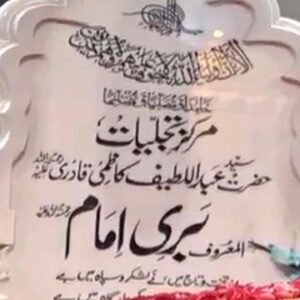
In a city defined by politics, diplomacy, and the rush of modern life, the Bari Imam Shrine stands as a powerful spiritual anchor. It is a reminder that Islamabad is not just a city of concrete and policy, but a place with a deep, mystical soul. The legacy of Bari Imam is not written in complex doctrines, but in the oral traditions and the devotional hearts of the people. In a world often divided, his simple message—that peace begins with the self and extends to all creation—is perhaps more relevant than ever.
Google Map: P4W6+4FH
Geographic coordinates: 33° 44′ 43.08″ N, 73° 06′ 40.32″ E