
By Muhammad Mateen Khan (MK)
March 18, 2026
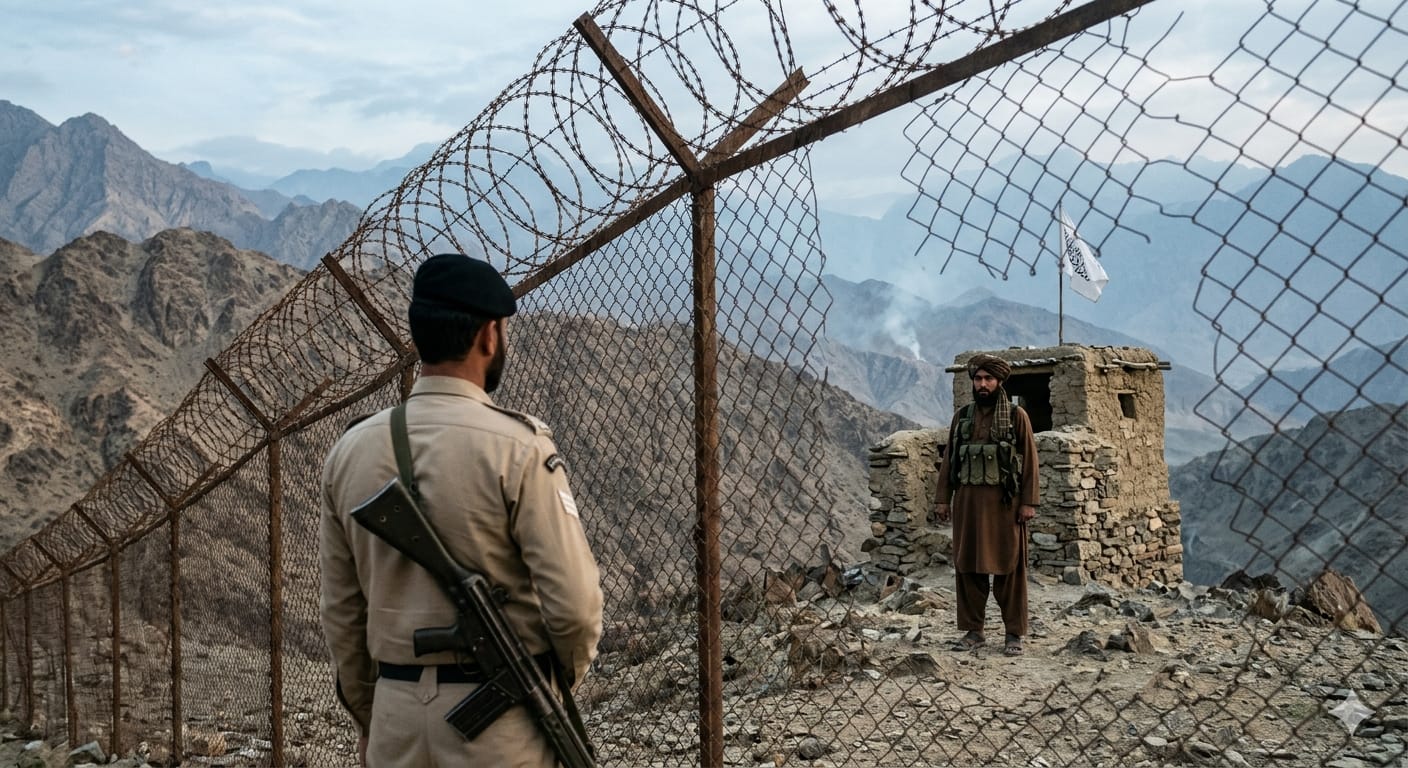
The long-standing, often turbulent relationship between Islamabad and the Taliban, historically rooted in concepts of “strategic depth,” has irrevocably fractured in early 2026. The shift from managed tensions to overt hostility was sealed on February 27, when the Pakistan Air Force launched Operation Ghazab-Ul-Haq. This represented an unprecedented doctrinal escalation, moving beyond standard anti-terror skirmishes along the 2,600-kilometer border to strike what Pakistan identified as Taliban military assets—including command posts and surveillance hubs—deep inside Afghan territory, specifically targeting Kabul and Kandahar.
The catalyst for this open conflict was a devastating spike in urban militancy within Pakistan, specifically high-profile attacks on soft targets in Islamabad and key military bases in Balochistan, which Pakistan’s intelligence services traced back to the Tehrik-e-Taliban Pakistan (TTP) operating from safe havens in Afghanistan. Islamabad’s strategic gamble is rooted in the belief that direct pressure on the Taliban’s ability to govern will force them to abandon support for the TTP. However, the Taliban leadership in Kabul, now solidified in their victory following the 2021 US withdrawal, view any perceived submission to Pakistani demands as a fatal blow to their own sovereignty and domestic credibility.
The current geopolitical paralysis is defined by mutual miscalculation. While China, a heavy investor in the region, attempts to mediate to protect the China-Pakistan Economic Corridor (CPEC), the human cost of the strategy collapse is staggering. The border, once relatively porous, is now largely locked down. This has halted crucial trade and paralyzed the ongoing, forced repatriation of millions of Afghan refugees from Pakistan, creating a spiraling humanitarian emergency. The sound of surveillance drones, once gone, now defines life in the border provinces, signaling a fundamental, volatile realignment of South Asian security where the “student-teacher” relationship is dead, replaced by a hazardous conflict with no visible exit ramp.
52